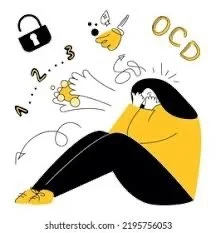
Autism and OCD: Understanding the Overlap
Many adults who begin exploring whether they might be autistic are surprised to discover how often Autism and Obsessive-Compulsive Disorder (OCD) overlap. In fact, many adults seeking an autism assessment discover that some of the experiences they once attributed to anxiety or OCD may also be connected to Autism.
While Autism and OCD are distinct conditions, research suggests they frequently co-occur. Large population studies have found that Autistic individuals are more likely to later develop OCD, while individuals diagnosed with OCD are significantly more likely to later receive an Autism diagnosis (Meier et al., 2015). Because both conditions can involve routines, repetitive behaviors, anxiety, and sensory differences, it can sometimes be difficult to tell where one ends and the other begins.
Why Autism and OCD Can Look Similar
Autism and OCD can appear remarkably similar on the surface.
Both may involve:
Repetitive behaviors
Strong preferences for routine
Distress when things feel disrupted
Sensory sensitivities
Difficulty tolerating uncertainty
However, understanding the purpose behind a behavior is often the key to understanding what is happening.
Can Autism Be Mistaken for OCD?
Yes. Many adults spend years wondering whether their experiences are better explained by Autism, OCD, or both.
For example, an Autistic person may prefer to follow the same morning routine because it creates predictability and helps regulate their nervous system. A person with OCD may follow a similar routine because they fear that something bad will happen if they do not complete it in a particular way.
The behavior may appear nearly identical, but the underlying experience is often very different. This is why a thorough, neurodiversity-affirming assessment is so important. Looking only at outward behavior can sometimes lead to misunderstanding, particularly for adults who have spent years masking, adapting, or pushing through distress without clear language for their experience.
OCD Compulsions vs. Autistic Routines
In OCD, repetitive behaviors or mental rituals are typically performed to reduce anxiety caused by intrusive thoughts, fear, or uncertainty. Someone might repeatedly check a lock because they fear a break-in, wash their hands because they fear contamination, or mentally review conversations because they worry they have made a mistake. The behavior serves a specific function: reducing distress or preventing a feared outcome.
Autistic repetitive behaviors, often called Repetitive and Restricted Behaviors (RRBs), generally serve a different purpose. These behaviors may help regulate the nervous system, create predictability, provide sensory comfort, support concentration, or express excitement and joy. While disruption to routines may cause distress, the distress is often related to unpredictability, sensory overload, or dysregulation rather than a belief that something terrible will happen.
A helpful question can be:
“What would happen if you couldn’t do this?”
If the answer is, “Something bad might happen,” OCD may be playing a role.
If the answer is, “I’d feel unsettled, overwhelmed, or thrown off,” the behavior may be serving a regulatory function more commonly associated with Autism.
Many people experience elements of both.
The Role of Sensory Processing
Sensory differences may help explain part of the overlap between Autism and OCD. Sensory sensitivities are a core feature of Autism, but research has also identified unusual sensory experiences in people with OCD. Studies have found links between sensory intolerance, heightened sensitivity, and obsessive-compulsive symptoms (Hazen et al., 2008; Dar et al., 2012).
For individuals who are both Autistic and have OCD, sensory experiences and obsessive fears can sometimes reinforce one another. For example, contamination fears may become intertwined with genuine sensory discomfort, making the experience more complex and harder to untangle.
Supporting Autistic Individuals with OCD
Exposure and Response Prevention (ERP) is one of the most effective treatments for OCD. However, treatment often benefits from thoughtful adaptation when working with Autistic individuals. These may include:
Taking sensory needs into account
Using concrete and visual explanations
Moving at a slower pace
Supporting emotional awareness and interoception
Building on individual strengths and interests
A neurodiversity-affirming approach does not seek to eliminate Autistic traits or self-regulating strategies. Instead, it aims to reduce fear-driven compulsions while preserving the routines, interests, and supports that contribute to wellbeing.
Final Thoughts
Autism and OCD frequently overlap, yet they remain distinct experiences. While both can involve repetition, routines, and distress, the underlying motivations are often different. Understanding the purpose behind a behavior not just what it looks like can support more accurate understanding, more effective care, and greater self-compassion.
Taking the Next Step
If this article resonates with you, a comprehensive neurodiversity-affirming assessment can help bring clarity to your experiences and support needs.
I offer Autism and ADHD assessments for adults across California, with a compassionate and collaborative approach grounded in understanding your unique profile.
Learn more at dramandapress.com.
Further Reading
Meier et al. (2015). Obsessive-Compulsive Disorder and Autism Spectrum Disorders: Longitudinal and Offspring Risk.
Hazen et al. (2008). Sensory Intolerance as a Primary Symptom of Pediatric OCD.
Dar et al. (2012). The Relationship Between Sensory Processing, Childhood Rituals and Obsessive-Compulsive Symptoms.